- Home
-
About us
About us
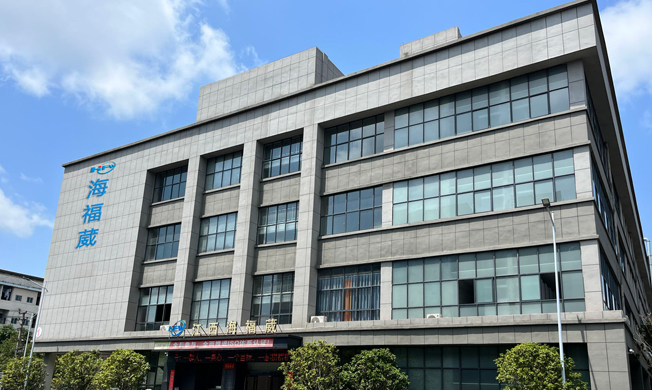
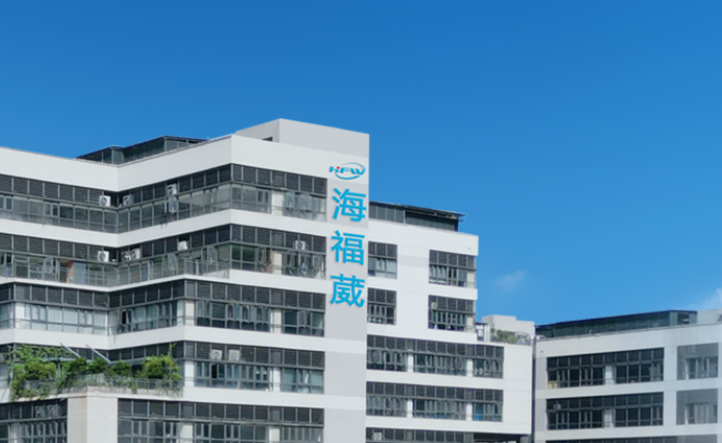
Shenzhen Haiwei Technology Co., Ltd. was established in 2005, with its R&D and sales center located in Guangming New District, Shenzhen. It has two wholly-owned subsidiaries, Jiangxi Haifuwei and Huizhou Haifuwei, serving as production bases, with a total usable area of 25,000㎡.
-
Product
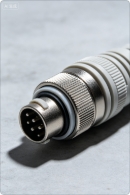
Industrial waterproof/medical connectors Automotive/New Energy Connector Consumer connectors Amphenol first-tier distributor Customized product consultation
Product
Since its establishment, the company has been deeply engaged in the R&D and manufacturing of electrical connection components, driven by technological innovation, continuously optimizing production technologies and process flows, and building a full-chain system covering R&D, design, manufacturing, and testing, holding multiple patents and software copyrights. Keeping pace with industry frontiers, it has established a core technology system encompassing key technologies such as modular design, laser welding, automated production, material verification, and performance testing, participated in the formulation of industry standards, and obtained a CNAS-accredited testing center.
-
Development
Development
Since its establishment, the company has been deeply engaged in the R&D and manufacturing of electrical connection components, driven by technological innovation, continuously optimizing production technologies and process flows, and building a full-chain system covering R&D, design, manufacturing, and testing, holding multiple patents and software copyrights. Keeping pace with industry frontiers, it has established a core technology system encompassing key technologies such as modular design, laser welding, automated production, material verification, and performance testing, participated in the formulation of industry standards, and obtained a CNAS-accredited testing center.
-
Case
Case
For nearly 20 years, Haiwei has been deeply engaged in the connector field. In 2018, it participated in the establishment of the Guangdong Province Connector Association, and was recognized as a national high-tech enterprise and a specialized, refined, distinctive, and innovative enterprise in the same year. The company closely focuses on the 3C industry, automotive industry, new energy industry, and industrial control industry, with its market share continuing to grow steadily. Haiwei has become a leading enterprise in the connector industry.

-
Blog
Blog
Shenzhen Haiwei Technology Co., Ltd. was established in 2005, with its R&D and sales center located in Guangming New District, Shenzhen. It has two wholly-owned subsidiaries, Jiangxi Haifuwei and Huizhou Haifuwei, serving as production bases, with a total usable area of 25,000㎡. As a modern high-tech enterprise integrating R&D, production, and sales, the company boasts an advanced standardized laboratory and adheres to strict testing standards, capable of independently completing various mechanical performance tests, electrical performance tests, high-frequency tests, environmental protection tests, and environmental tests.

-
Talent
Talent
Shenzhen Haiwei Technology Co., Ltd. was established in 2005, with its R&D and sales center located in Guangming New District, Shenzhen. It has two wholly-owned subsidiaries, Jiangxi Haifuwei and Huizhou Haifuwei, serving as production bases, with a total usable area of 25,000㎡. As a modern high-tech enterprise integrating R&D, production, and sales, the company boasts an advanced standardized laboratory and adheres to strict testing standards, capable of independently completing various mechanical performance tests, electrical performance tests, high-frequency tests, environmental protection tests, and environmental tests.

-
Contact Us
Contact Us
Shenzhen Haiwei Technology Co., Ltd. was established in 2005, with its R&D and sales center located in Guangming New District, Shenzhen. It has two wholly-owned subsidiaries, Jiangxi Haifuwei and Huizhou Haifuwei, serving as production bases, with a total usable area of 25,000 square meters. As a modern high-tech enterprise integrating R&D, production, and sales, the company boasts an advanced standardized laboratory and adheres to strict testing standards, capable of independently conducting various mechanical performance tests, electrical performance tests, high-frequency tests, environmental protection tests, and environmental tests.